If you’re struggling to rank on Google, the problem may not be your content — it may be the keywords you’re targeting. Many websites go after broad, highly competitive terms and completely ignore the power of long-tail searches. That’s where the best long tail keyword tools can make a huge difference. These tools help you uncover low competition keywords with clear search intent, making it easier to attract targeted visitors and grow your organic traffic faster.
Whether you run a blog, an e-commerce store, or a local business website, using the right long tail keyword research tools can improve your entire SEO content strategy. To truly get better results from keyword research, it’s also important to understand how your site structure and optimization work together. That’s where a solid technical seo guide becomes useful for improving rankings and fixing hidden SEO issues.
In this guide, you’ll discover powerful keyword research platforms, smart research methods, and practical tips to find hidden ranking opportunities your competitors are missing.
What are long tail keyword tools?
Long tail keyword tools help users discover specific, low-competition search phrases that are easier to rank for in Google. These tools provide keyword suggestions, search intent insights, keyword difficulty scores, and SERP analysis to improve SEO performance and attract targeted organic traffic.
These keywords usually have:
- Lower competition
- Higher conversion rates
- Clearer search intent
- Easier ranking opportunities
For example:
- Short-tail keyword: “laptops.”
- Long-tail keyword: “best gaming laptops under $1000.”
The second query tells you exactly what the user wants. That makes it easier to create targeted content that satisfies the search.
Most keyword research tools focus heavily on high-volume terms, but experienced SEOs know that long-tail keywords often drive the most valuable organic traffic. They are especially useful for:
- New websites
- Niche blogs
- Affiliate sites
- E-commerce stores
- Local businesses
Long-tail SEO also improves topical relevance because related keyword variations naturally support semantic optimization. When used correctly, these keywords help Google understand your content more clearly.
Why Long Tail Keywords Are Easier to Rank
Long-tail keywords are easier to rank because fewer websites compete for them. Large authority sites usually target broad, high-volume terms, leaving specific searches underserved.
For example, ranking for “running shoes” is extremely difficult. But ranking for “best running shoes for flat feet beginners” is far more realistic.
There are several reasons why long-tail keywords perform well:
Lower Keyword Difficulty
Most long-tail queries have lower keyword difficulty scores. This means smaller websites still have a chance to compete.
Strong Search Intent
Specific searches often show stronger buying or informational intent. Someone searching “best keyword research tool for beginners” is much closer to taking action than someone searching “keywords.”
Better Content Matching
Google rewards content that closely matches user intent. Long-tail keywords help you create highly focused articles that answer exact questions.
Higher Conversion Potential
Long-tail traffic often converts better because visitors know what they want.
This is why many successful SEO content strategies focus on building clusters around low competition keywords rather than chasing impossible high-volume terms.
Benefits of Long Tail Keywords for SEO and PPC
Long-tail keywords are valuable for both SEO and PPC campaigns because they attract targeted users with clear intent.
Better Organic Traffic
Instead of random visitors, you attract people searching for exactly what you offer. That leads to better engagement and lower bounce rates.
Lower PPC Costs
Broad keywords are expensive in paid advertising. Long-tail keywords often have lower CPCs and less competition, helping businesses reduce ad spend.
Improved Conversion Rates
Specific searches usually indicate stronger buyer intent. For example:
- “SEO tools” = research stage
- “best keyword research software for blogs” = decision stage
The second search is far more likely to convert.
Easier Keyword Clustering
Long-tail variations naturally support keyword clustering strategies. One article can rank for dozens of related searches.
Stronger Content Relevance
Using semantically related phrases improves topical depth and helps Google understand your expertise.
Businesses using long-tail keyword research tools often notice faster ranking growth because they focus on achievable opportunities rather than highly competitive keywords.
How to Find Long Tail Keywords on Google for Free
You don’t always need expensive software to discover valuable keywords. Google itself provides several free ways to uncover keyword suggestions.
Google Autocomplete
Start typing a search into Google, and it instantly suggests real user searches. These autocomplete phrases are excellent long-tail keyword ideas.
Example:
“best SEO tools for…”
Google may suggest:
- beginners
- ecommerce
- local SEO
- small businesses
People Also Ask
The “People Also Ask” section reveals question-based keywords users commonly search for.
These are perfect for:
- FAQ sections
- featured snippets
- blog subheadings
Related Searches
At the bottom of Google search results, you’ll find related keyword variations that can expand your content strategy.
Google Search Console
Search Console helps identify keywords your pages already rank for. You can optimize existing content around those opportunities.
Google Trends
Google Trends helps uncover:
- seasonal searches
- rising topics
- geographic interest
These free methods work surprisingly well when combined with proper SERP analysis and keyword clustering.
Best Free Long Tail Keyword Research Tools
Many free keyword research tools provide enough data for beginners and small businesses.
Google Keyword Planner
Google Keyword Planner is useful for:
- keyword ideas
- search volume estimates
- PPC insights
- local SEO research
Although designed for ads, it still helps with SEO keyword research.
Google Trends
Excellent for identifying trending searches and seasonal opportunities.
Keyword.io
This tool pulls Google autocomplete keywords and generates long-tail variations quickly.
WordStream Free Keyword Tool
WordStream helps users discover related keyword suggestions and question-based queries.
KeywordsPeopleUse
A strong, long-tail keyword generator free option for finding natural-language search queries.
Free tools work best when combined. While they may lack advanced keyword metrics, they still help uncover valuable low competition keywords.
Best Paid Long Tail Keyword Research Tools
Paid long tail keyword tools offer deeper insights, advanced filtering, and better SERP analysis.
Semrush Keyword Magic Tool
One of the best long tail keyword research tools for:
- keyword difficulty
- competitor analysis
- keyword clustering
- search intent filtering
KWFinder by Mangools
Great for beginners because of its simple interface and accurate difficulty scoring.
Ahrefs Keywords Explorer
Excellent for backlink analysis and keyword opportunity discovery.
LowFruits
Designed specifically to identify weak SERPs and easy ranking opportunities.
RankYak
Useful for AI-driven keyword discovery and automated SEO workflows.
Paid tools save time and improve accuracy. When scaling SEO campaigns, the right tools can completely change your workflow by automating research and improving productivity. Many marketers now rely on seo software tools to streamline keyword discovery and content planning.
They also help prioritize keywords based on:
- ranking difficulty
- traffic potential
- SERP competition
- click-through opportunities
For serious SEO campaigns, investing in the right keyword discovery tool can significantly improve results.
How to Find Low-Competition Long Tail Keywords
Finding easy-to-rank keywords requires more than just checking search volume.
Analyze the SERP
Look for weak competitors such as:
- forums
- Reddit threads
- Quora pages
- low-authority blogs
If these appear on page one, ranking may be easier.
Focus on Search Intent
Choose keywords with clear intent. Highly targeted queries often have less competition.
Use Keyword Difficulty Metrics
Most SEO keyword research tools provide keyword difficulty scores. Beginners should focus on lower KD ranges first.
Target Question Keywords
Question-based searches usually have weaker competition and higher featured snippet opportunities.
Examples:
- What is keyword difficulty
- How to find easy keywords to rank
Look for Long Phrases
Keywords with 4–6 words often have lower competition than broad phrases.
A successful SEO content strategy depends on finding opportunities that competitors ignore.
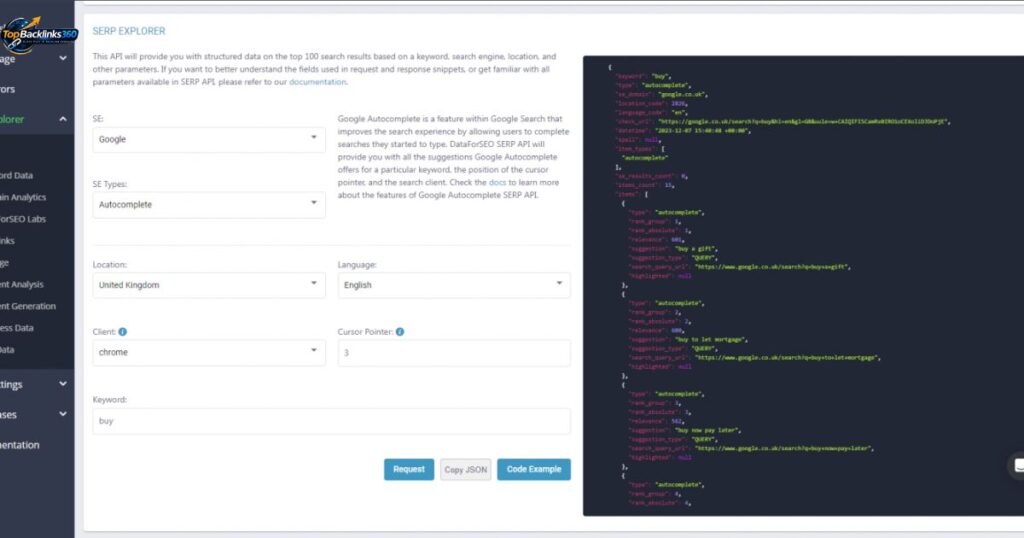
How to Use Google Autocomplete for Keyword Research
Google Autocomplete is one of the simplest ways to generate keyword ideas.
The Alphabet Method
Type your keyword followed by different letters:
- “SEO tools”
- “SEO tools b”
- “SEO tools c”
This reveals hundreds of keyword suggestions.
Add Intent Modifiers
Use modifiers like:
- best
- near me
- under $100
- vs
- for beginners
These phrases often indicate strong buyer intent.
Find Question Keywords
Start searches with:
- how
- why
- what
- where
Question-based keywords help optimize for featured snippets and FAQs.
Discover Local SEO Opportunities
Autocomplete also surfaces local SEO keyword research opportunities, such as:
- SEO agency near me
- best coffee shop in Karachi
Because autocomplete reflects real user behavior, it remains one of the most effective free keyword research methods available.
How to Analyze Search Intent for Long Tail Keywords
Understanding search intent is critical for SEO success.
Google ranks content based on how well it satisfies the user’s goal.
Informational Intent
Users want answers or education.
Examples:
- What are long-tail keywords
- How do keyword research tools work
Commercial Intent
Users compare products before buying.
Examples:
- best long tail keyword research tool
- Semrush vs Ahrefs
Transactional Intent
Users are ready to take action.
Examples:
- Buy SEO software
- Start keyword tool trial
Navigational Intent
Users search for a specific brand or website.
Examples:
- Semrush login
- Ahrefs pricing
Matching search intent improves rankings because Google prioritizes content that directly solves the user’s problem.
Always analyze:
- page type
- content format
- ranking competitors
- search behavior
before creating content.
How to Use Long Tail Keywords in SEO Content
Long-tail keywords should feel natural inside content.
Avoid stuffing keywords unnaturally.
Optimize Titles
Include primary keywords naturally in:
- titles
- meta descriptions
- H1 headings
Use Keywords in Subheadings
H2s and H3s help Google understand page structure and relevance.
Add Semantic Variations
Use LSI/NLP keywords naturally throughout the article to improve topical coverage.
Improve Internal Linking
Link related articles together using descriptive anchor text.
Optimize FAQs
Question-based long-tail keywords are excellent for FAQ sections and featured snippets.
A strong SEO content strategy balances readability with optimization. The goal is to help users first while signaling relevance to search engines.
Long Tail Keyword Strategies for Different Niches
Different industries require different keyword strategies.
Blogging Websites
Focus on informational queries and low competition topics.
E-commerce Stores
Target:
- product modifiers
- comparison keywords
- buyer intent searches
Examples:
- best wireless headphones under $200
Local Businesses
Use geo-specific keywords like:
- dentist in Karachi
- local SEO services near me
Affiliate Websites
Target review and comparison searches.
Examples:
- best hosting for beginners
- Ahrefs vs Semrush
SaaS & AI Websites
Focus on solution-based and feature-driven searches.
Tailoring keyword strategies to each niche improves conversion rates and topical relevance.
Common Mistakes to Avoid in Long Tail Keyword Research
Many websites fail because they choose the wrong keywords.
Ignoring Search Intent
Ranking becomes difficult when content doesn’t match what users expect.
Targeting Only Search Volume
High volume doesn’t always mean high value.
Avoiding SERP Analysis
Always check who currently ranks before targeting a keyword.
Keyword Stuffing
Overusing keywords hurts readability and user experience.
Ignoring Keyword Clustering
Publishing isolated articles weakens topical authority.
Avoiding these mistakes helps build a smarter and more sustainable SEO strategy.
How to Build Topical Authority With Long Tail Keywords
Topical authority means becoming a trusted source on a subject.
Google rewards websites that deeply cover connected topics.
Build Topic Clusters
Create multiple articles around related themes.
Example cluster:
- keyword research tools
- keyword difficulty
- keyword clustering
- search intent
Use Internal Linking
Connect related articles to strengthen contextual relevance.
Cover Beginner to Advanced Topics
A complete content ecosystem builds trust with both users and search engines.
Update Existing Content
Refreshing articles improves rankings and keeps information accurate.
Long-tail keyword clusters are one of the fastest ways to build authority in competitive niches.
Best Long Tail Keyword Tool Comparison (2026)
Different tools serve different SEO goals.
Best for Beginners
- KWFinder
- LowFruits
Easy interfaces and simple keyword metrics.
Best Free Tool
- Google Keyword Planner
- Google Trends
Useful starting points for SEO beginners.
Best for Agencies
- Semrush
- Ahrefs
Advanced competitor and SERP analysis features.
Best for Local SEO
- KWFinder
- Google Keyword Planner
Strong geographic targeting capabilities.
Best AI-Powered Tool
- RankYak
- AI-driven SEO platforms
The best long tail keyword tool depends on your workflow, budget, and content strategy.
AI and Long Tail Keyword Research in 2026
AI is changing SEO rapidly.
Modern long tail keyword research tools now use AI for:
- keyword clustering
- content optimization
- search intent analysis
- SERP predictions
Tools like ChatGPT also help generate:
- blog ideas
- semantic keyword variations
- FAQ questions
- topical maps
However, human strategy still matters.
AI can generate ideas, but successful SEO requires:
- proper SERP analysis
- Understanding user intent
- content quality
- topical authority
The future of SEO combines AI automation with human expertise.
Final Thoughts:
The best long tail keyword tools help you uncover opportunities competitors miss.
For beginners, free tools like Google Autocomplete and Google Trends are excellent starting points.
For advanced SEO campaigns, tools like Semrush, Ahrefs, and LowFruits provide deeper insights into keyword difficulty, search intent, and ranking potential.
Remember:
- Focus on low competition keywords
- Build topic clusters
- Match search intent
- Create genuinely helpful content
Long-tail SEO is not about chasing massive search volume. It’s about attracting the right audience and building sustainable organic growth over time.
FAQs
What are long-tail keywords?
Long-tail keywords are highly specific search phrases with lower competition and clearer search intent.
Which keyword tool is best for SEO?
Semrush and Ahrefs are among the best tools for advanced SEO, while KWFinder is great for beginners.
How do keyword research tools work?
They collect search data, analyze competition, and provide keyword suggestions based on real user searches.
Are free keyword tools accurate?
Free tools can still provide valuable insights, especially when combined with SERP analysis and Google Search Console data.
How to find easy keywords to rank?
Focus on low keyword difficulty, long search phrases, weak competitors, and clear search intent.