If you’ve been struggling to keep up with modern SEO, you’re not alone. Search engines have changed dramatically, and ranking today is no longer about stuffing keywords—it’s about building meaning, structure, and depth across your entire website. This is where Semantic SEO automation comes in, transforming how websites grow organic traffic in a smarter, more scalable way.
Instead of manually planning every article, businesses now use systems built around topic clusters, entity-based SEO, and Google knowledge graph SEO to organize content in a way search engines instantly understand. With the help of AI SEO tools and structured workflows, you can create a powerful content automation system that strengthens topical authority while reducing manual effort.
This approach also improves SEO content scaling, ensuring every page supports a larger strategy instead of standing alone. For USA-based businesses competing in crowded markets, this shift isn’t optional—it’s essential for staying visible and competitive.
What is Semantic SEO automation?
Semantic SEO automation is the process of using AI tools and structured systems to optimize content based on topics, entities, and relationships instead of keywords. It helps build topical authority by automatically creating topic clusters, improving internal linking, and scaling content in a way search engines understand more effectively.
In traditional SEO, you manually research keywords, write articles, and hope Google understands your intent. But with semantic SEO automation, everything is system-driven:
- Topics are grouped into clusters automatically
- Entities are identified and mapped
- Internal links are generated based on relationships
- Content is created around full topical coverage
For example, if your main topic is “SEO tools,” automation will expand it into subtopics like AI SEO tools, keyword clustering, internal linking strategies, and programmatic SEO.
This approach ensures your website becomes a structured knowledge system, not just a collection of random blog posts. It also improves how search engines interpret your authority in a niche.
Ultimately, semantic SEO is about scaling topical authority without scaling manual effort.
Why Semantic SEO Automation Matters in 2026
In 2026, search engines will rely heavily on AI systems like Google’s ranking models and knowledge graph understanding. This means websites that clearly demonstrate topic depth are rewarded more than those focusing on individual keywords.
Semantic SEO automation matters because:
- Google now prioritizes topic coverage over keyword density
- Competition is producing content at scale using AI
- Manual SEO processes cannot keep up with content demand
- Topical authority is now a ranking signal
For example, if two websites cover “digital marketing,” the one with structured clusters (SEO, PPC, email marketing, analytics) will outperform a site with isolated articles.
Automation allows you to:
- Publish faster without losing structure
- Maintain consistent internal linking
- Expand content coverage strategically
Without automation, SEO becomes slow and fragmented. With it, you build a self-scaling content system that grows authority over time.
How Search Engines Understand Semantic Content
Search engines don’t just read words—they interpret meaning using entities, context, and relationships.
Google’s systems rely heavily on:
- Entities (brands, topics, concepts, tools)
- Knowledge graphs
- Contextual relationships between pages
For example, when you mention “SEO automation,” Google also connects it with:
- topical authority
- AI SEO tools
- content cluster strategy
- internal linking strategy
This is called entity-based SEO, and it is the foundation of semantic search optimization.
Instead of matching exact keywords, Google asks:
- What is this topic about?
- How deeply does this site cover it?
- How are related concepts connected?
If your content answers these questions through structured clusters, your rankings improve significantly.
This is why SEO focuses on building interconnected topic systems, not standalone pages.
Core Components of Semantic SEO Automation
Semantic SEO is built on three core systems:
1. Topic Clusters
These are groups of related content pages built around a central pillar page. They help organize your site into clear subject areas.
2. Entity Mapping
Entities help search engines understand meaning. Automation tools identify and map related entities across your content.
3. Internal Linking Systems
Internal links connect content logically and help distribute authority across pages.
Together, these components create a semantic content ecosystem that search engines can easily interpret.
For example:
- Pillar: SEO Automation
- Clusters: keyword research, AI SEO tools, internal linking strategies
When properly connected, this structure strengthens your topical authority and improves crawl efficiency.
Topic Clustering Strategy for SEO Automation
Topic clustering is the foundation of SEO automation. It organizes your content into structured groups instead of random posts.
A typical structure includes:
- Pillar page: broad topic overview
- Cluster pages: detailed subtopics
For example, a cluster around “SEO automation” may include:
- AI SEO tools
- internal linking strategy
- content automation system
- programmatic SEO
Automation helps by:
- Suggesting cluster ideas automatically
- Grouping keywords by intent
- Mapping content gaps
This ensures your website covers a topic completely instead of partially.
The stronger your clusters, the more Google sees your site as an authority in that subject area.
Automated Semantic Keyword Research Process
Traditional keyword research focuses on volume. Semantic SEO focuses on meaning and relationships.
Traditional SEO success still depends heavily on finding the right keyword opportunities, especially when building scalable content systems. Using structured research methods helps you discover high-intent terms that align with your topic clusters and improve overall visibility. That’s where the best long-tail keyword tools become extremely valuable for building a strong semantic foundation.
Instead of just finding keywords, automation tools:
- Group keywords into semantic clusters
- Identify search intent patterns
- Detect related entities
- Build topic maps automatically
For example:
Keyword: “SEO automation tools.”
Cluster expands into:
- AI SEO tools comparison
- automated internal linking SEO strategy
- content scaling systems
This process ensures you are not just targeting keywords, but entire topic ecosystems.
By using AI-driven clustering, you reduce manual research time and improve content relevance across your site.
AI-Powered Entity Optimization in SEO
Entities are the backbone of modern SEO. They represent real-world concepts like brands, tools, and topics.
AI-powered SEO tools help by:
- Detecting missing entities in content
- Suggesting related concepts
- Aligning content with Google’s knowledge graph
For example, an article about “SEO automation” should include entities like:
- topic clusters
- internal linking strategy
- AI SEO tools, content scaling systems
This improves how Google interprets your content relevance.
When entities are properly optimized, your content becomes more context-rich, increasing the chances of ranking for multiple related queries.
Content Creation Workflow Using Automation Tools
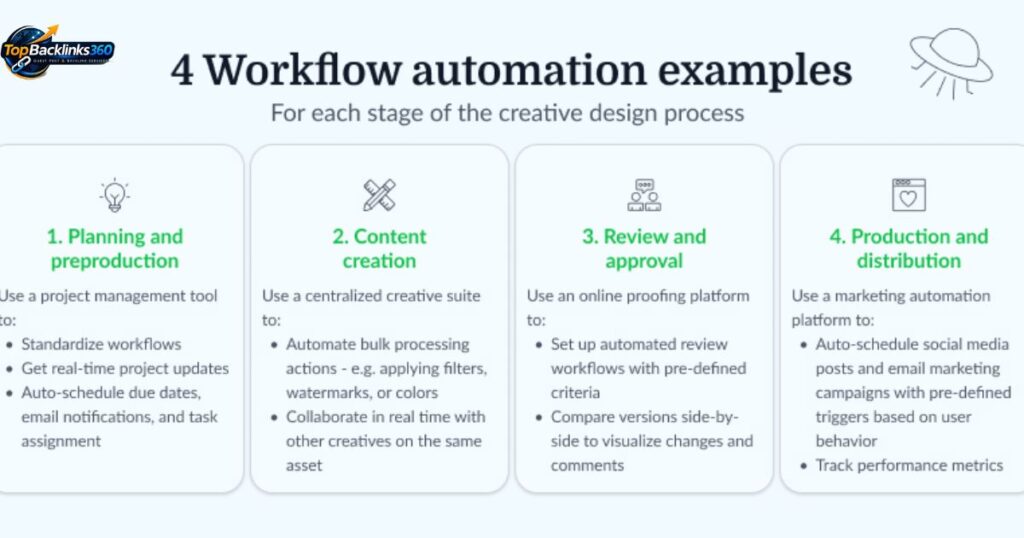
Semantic SEO transforms content creation into a structured workflow:
- The topic map is generated
- Cluster keywords are assigned
- AI generates structured content
- Internal links are inserted automatically
- Content is published and optimized
This removes guesswork and ensures every article fits into a larger SEO system.
Instead of writing isolated blogs, you build interconnected content assets that strengthen each other.
For example:
- New blog automatically links to pillar page
- Related cluster pages are connected
- Entities are included consistently
This system improves scalability and consistency across large websites.
Internal Linking Automation for SEO Growth
Internal linking is one of the most powerful SEO signals, but often ignored.
With automation, internal linking becomes:
- Structured
- Context-based
- Scalable
Instead of manually inserting links, AI systems:
- Identify relevant pages
- Suggest anchor text
- Auto-connect related clusters
For example:
A blog about “topic clusters” will automatically link to:
- semantic SEO
- keyword clustering
- pillar page SEO
This helps distribute authority and improve crawlability.
Proper internal linking ensures Google understands your site structure clearly, which boosts rankings across all related pages.
SEO Automation for Content Optimization
Content optimization is no longer manual. Automation tools now handle:
- meta titles and descriptions
- heading structure
- keyword placement
- schema markup
- Even with automation, strong technical foundations are still required to ensure search engines can properly crawl and understand your site structure. Without clean architecture, even the best content systems fail to perform well in rankings. This is why many businesses rely on technical seo services guide to support scalable SEO systems.
These systems ensure every page is optimized for:
- semantic search
- user intent
- readability
For example, an AI SEO tool can adjust your content based on:
- missing entities
- weak internal links
- Poor keyword distribution
This improves both SEO performance and user experience.
Competitor Gap Analysis Using Semantic SEO
Competitor analysis in semantic SEO is about finding missing topics, not just keywords.
Automation tools analyze competitor websites to detect:
- missing subtopics
- weak content clusters
- entity gaps
- internal linking weaknesses
For example:
If competitors cover “SEO automation,” but miss “AI entity optimization,” you can dominate that gap.
This strategy helps you:
- build faster topical authority
- target underserved content areas
- outperform competitors systematically
Measuring Topical Authority and SEO Performance
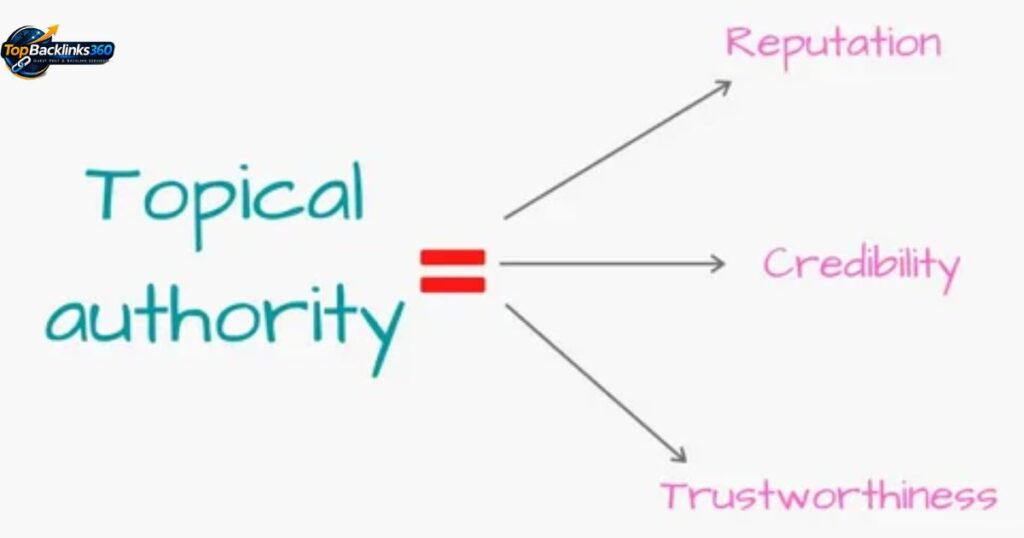
Topical authority is measured at the cluster level, not the page level.
Key metrics include:
- total cluster traffic
- keyword coverage depth
- ranking improvements across related pages
- internal link distribution
Instead of tracking one article, you analyze:
- how strong each topic cluster performs
- how deeply each subject is covered
This gives a clearer picture of SEO success.
Common Mistakes in Semantic SEO Automation
Many websites fail because they misuse automation.
Common mistakes include:
- publishing AI content without structure
- ignoring internal linking systems
- targeting keywords instead of topics
- missing entity optimization
- creating disconnected content
Automation is not about speed—it is about structure.
Without a strategy, even AI content fails to rank.
Best Tools for Semantic SEO Automation
Modern SEO relies on tools that support:
- AI keyword clustering
- content automation
- internal linking automation
- entity optimization
These tools help you:
- build topic maps
- scale content creation
- optimize semantic structure
The best tools focus on systems, not just writing.
Future of Semantic SEO and AI Search Optimization
The future of SEO is moving toward:
- Generative Engine Optimization (GEO)
- Answer Engine Optimization (AEO)
- AI-driven search results
Search engines will rely more on:
- entity relationships
- structured knowledge
- topical authority signals
Websites that build semantic systems now will dominate future AI search environments.
Conclusion
Semantic SEO automation is not just a trend—it is the future of scalable SEO.
Instead of manually writing isolated articles, successful websites now build structured content ecosystems powered by topic clusters, entity optimization, and automation workflows.
If you want long-term rankings, focus on:
- building topic maps
- connecting content intelligently
- automating SEO workflows
- strengthening topical authority
The websites that win in 2026 will not be the ones with the most content, but the ones with the most structured content systems.
FAQ
1. What is semantic SEO automation?
It is the use of AI and systems to build SEO content based on topics, entities, and structured workflows instead of manual keyword targeting.
2. How does Google use entities in SEO?
Google connects topics using its knowledge graph to understand relationships between concepts instead of just keywords.
3. Can SEO be fully automated with AI?
No, but most repetitive tasks like clustering, linking, and optimization can be automated.
4. Why are topic clusters important?
They help organize content into structured groups, improving topical authority and rankings.
5. What is internal linking in semantic SEO?
It is the process of connecting related pages to help search engines understand the site structure and distribute authority.