Many businesses struggle with disconnected systems, slow workflows, and poor data visibility that limit growth and productivity. That’s why understanding what is immorpos35.3 software has become increasingly important for companies seeking a smarter way to manage operations.
As an advanced business management software, this platform combines automation, analytics, and workflow optimization into one powerful system. From improving operational efficiency to streamlining reporting and collaboration, immorpos35.3 software helps organizations make faster, data-driven decisions.
Its integrated business intelligence tools, centralized data management, and scalable features make it a reliable enterprise software solution for businesses aiming to reduce manual tasks, boost performance, and stay competitive in today’s fast-moving digital market.
What Is Immorpos35.3 Software?
Businesses invest heavily in software expecting better efficiency and growth, yet many deployments fail due to poor planning and execution. This guide explains what immorpos35.3 software is and provides practical strategies to improve adoption, reduce risks, and maximize long-term ROI.
Integration Challenges in Modern IT Environments
Modern businesses rely on multiple systems. Connecting a new platform isn’t always simple.
Legacy System Compatibility Issues
Older systems often don’t “talk” well with new software.
This creates data conflicts, errors, and broken workflows. Without proper planning, integration becomes a major risk.
Data Migration Risks
Moving data sounds easy—but it’s not.
Incomplete or incorrect migration can:
- Corrupt important information
- Cause reporting errors
- Slow down operations
Even small mistakes can have big consequences.
Real-Time Data Processing Problems
Many businesses need real-time updates.
If integration isn’t optimized, delays happen. This affects decision-making and reduces system efficiency.
Poor Communication Between Stakeholders

Communication gaps are one of the biggest reasons software projects fail.
Misaligned Expectations
Different teams often expect different outcomes.
Management may focus on results, while IT focuses on technical delivery. This mismatch leads to frustration.
Lack of Clear Requirements
If requirements aren’t clearly defined, the project direction becomes unclear.
This leads to:
- Scope confusion
- Rework
- Delays
Weak Feedback Loops
Without regular updates, problems stay hidden.
Teams need consistent communication to stay aligned and fix issues early.
Weak Change Management Strategy
Technology changes fast—but people don’t always adapt as quickly.
Resistance From Users
Employees may resist new systems if they don’t understand the benefits.
This leads to low adoption and poor results.
Lack of User Involvement
When users are excluded from early stages, they feel disconnected.
They struggle to adapt later, which slows down the entire process.
Inadequate Training Programs
Training is often rushed or skipped.
Without proper guidance, users:
- Make mistakes
- Avoid using features
- Lose confidence
Inadequate Testing and Quality Assurance
Skipping testing is like launching blind.
Limited Testing Environments
Testing only in controlled environments doesn’t reflect real-world usage.
Unexpected issues appear after launch.
Ignoring Edge Cases
Not all scenarios are tested.
Rare situations can break the system and disrupt operations.
Security and Performance Gaps
Poor testing can expose:
- Security vulnerabilities
- Slow performance
- System crashes
These issues damage trust and productivity.
Resource Constraints and Unrealistic Timelines
Many projects fail before they even begin—because of poor planning.
Budget Limitations
Cutting costs often means cutting quality.
This leads to:
- Poor testing
- Limited training
- Weak support
Short Deadlines
Rushed timelines force teams to skip important steps.
Mistakes increase, and quality drops.
Lack of Skilled Professionals
Without the right expertise, even simple tasks become complex.
Projects slow down or fail.
Scope Creep and Changing Requirements
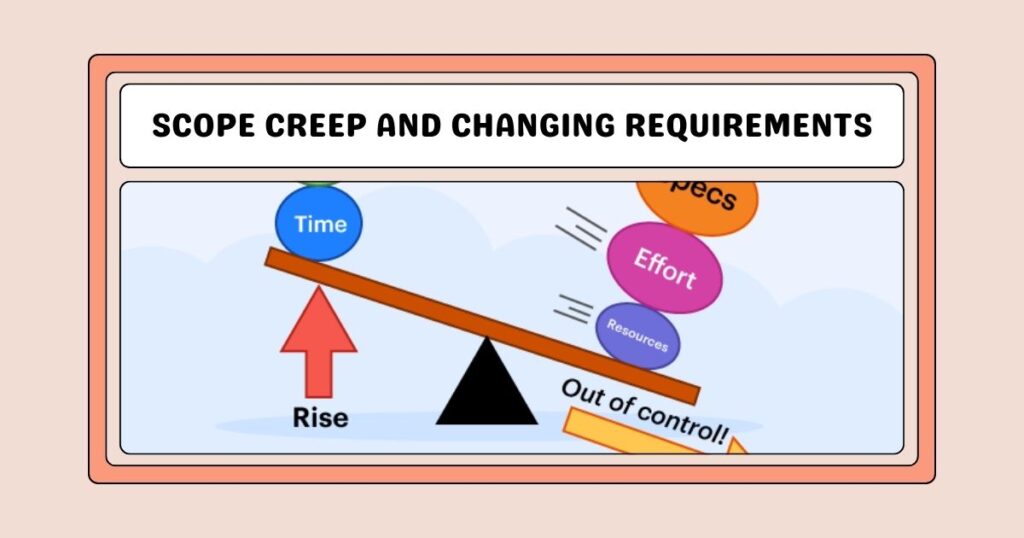
Plans change—but uncontrolled changes cause chaos.
Constant Feature Additions
Adding new features mid-project increases complexity.
It delays delivery and confuses teams.
Poor Change Control Process
Without a clear system for managing changes, projects lose direction.
This leads to:
- Budget overruns
- Timeline extensions
- Reduced quality
Impact on Integration and Testing
Every change affects other parts of the system.
More changes mean more testing—and more risk.
Lack of Strategic Planning and Roadmap
Many implementations fail because there’s no clear path forward.
No Clear Implementation Strategy
Jumping into execution without planning leads to confusion.
A roadmap is essential for success.
Missing KPIs and Success Metrics
Without clear goals, it’s hard to measure progress.
Teams don’t know if they’re on the right track.
Poor Risk Management
Risks are always present.
Ignoring them leads to unexpected failures.
Low User Adoption and Engagement
Even the best software fails if people don’t use it.
Poor User Experience
Complicated interfaces frustrate users.
They avoid using the system whenever possible.
Lack of Motivation
If users don’t see value, they won’t engage.
Clear benefits must be communicated.
No Ongoing Support
Users need help even after launch.
Without support, adoption drops quickly.
Best Practices to Prevent Software Implementation Failure
Now that you know the problems, let’s focus on solutions.
Build a Strong Implementation Plan
Define:
- Clear goals
- Timeline
- Responsibilities
A solid plan reduces uncertainty.
Focus on Communication
Keep everyone aligned with:
Strong communication strategies often rely on proven outreach methods like guest posting for seo, which helps teams share insights and stay aligned across platforms.
- Regular meetings
- Clear documentation
- Open feedback
Communication solves many hidden issues.
Invest in Training and Support
Well-trained users perform better.
Provide:
- Hands-on training
- Guides and tutorials
- Ongoing support
Prioritize Testing
Test everything:
- Real-world scenarios
- Different devices
- Multiple user roles
Better testing = fewer surprises.
Software Implementation Success vs Failure (Quick Comparison)
| Factor | Successful Implementation | Failed Implementation |
| Planning | Clear roadmap | No direction |
| Communication | Transparent | Confusing |
| Training | Comprehensive | Minimal |
| Testing | Thorough | Rushed |
| User Adoption | High | Low |
FAQs
Why do immorpos35 3 software implementations fail?
They fail due to poor planning, weak communication, lack of training, and integration challenges.
How can I avoid software implementation failure?
Focus on planning, testing, communication, and user training from the start.
What is the biggest challenge in software implementation?
Integration with existing systems is one of the most difficult parts.
Why is change management important?
It helps users adapt to new systems and improves adoption rates.
What is scope creep in software projects?
It’s when new features are added without proper control, causing delays and confusion.
How important is testing in software implementation?
Testing is critical. It ensures the system works properly before launch.
What role does user training play?
Training helps users understand and effectively use the system.
How do unrealistic timelines affect projects?
They force teams to rush, leading to mistakes and poor quality.
Final Thoughts
What is immorpos35.3 software isn’t just about technology—it’s about people, planning, and execution.
Most immorpos35 3 software implementations fail not because the software is bad, but because the process is flawed.
If you focus on:
- Clear planning
- Strong communication
- Proper training
- Thorough testing
You can avoid common pitfalls and achieve long-term success.
Take the time to do it right—and your software investment will truly pay off.