Future-ready offices in Cyprus are transforming how businesses operate, collaborate, and grow. Instead of traditional layouts, companies are building smart, flexible, and sustainable workspaces powered by technology and designed around people.
From hybrid work models to energy-efficient systems, these modern offices are built to adapt. Many businesses struggle with digital transformation due to poor planning, and understanding software implementation failures can help avoid costly mistakes when building smart offices.
In this guide, you’ll learn exactly what makes an office “future-ready,” why Cyprus is becoming a hotspot, and how you can build one step by step.
What are future-ready offices in Cyprus?
Future-ready offices in Cyprus are modern workspaces designed with smart technology, flexible layouts, and sustainable systems. They support hybrid work, improve employee productivity, and reduce operational costs. These offices focus on adaptability, making them ideal for businesses preparing for future workplace trends.
Core Characteristics
- Technology-driven environment
- Flexible and scalable design
- Focus on employee well-being
- Sustainable and energy-efficient
Why It Matters
Traditional offices are static. Future-ready workplaces evolve with your business, making them ideal for fast-growing companies and startups.
Why Cyprus Is Emerging as a Hub for Future-Ready Offices
Cyprus is quickly becoming a strong destination for modern office innovation.
Strategic Business Advantages
- Gateway between Europe, Asia, and Africa
- Business-friendly regulations
- Growing startup ecosystem
Cost & Talent Benefits
- Lower operational costs than major EU countries
- Skilled international workforce
- A high quality of life attracts talent
These factors make Cyprus ideal for testing and scaling smart office environments.
Key Components of a Future-Ready Office in Cyprus
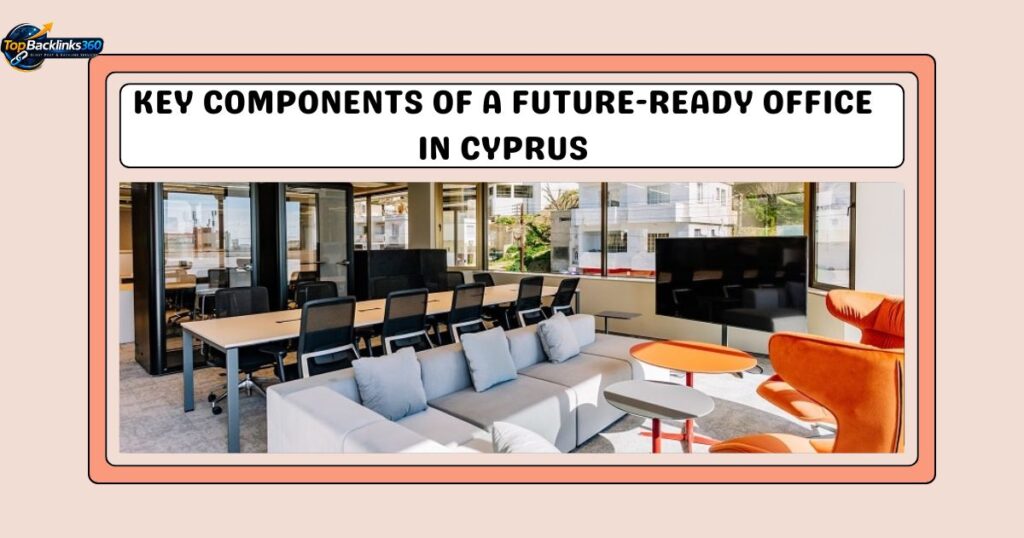
A successful future-ready workspace combines multiple elements into one system.
Essential Components
- Smart technology systems
- Flexible layouts
- Sustainability practices
- Employee-centric design
Integration Matters
The real value comes when all these components work together, not separately.
Smart Technology Integration in Modern Offices
Technology is the backbone of future-ready offices in Cyprus.
Key Technologies
- IoT sensors for space usage
- Smart lighting and climate control
- Cloud-based collaboration tools
- AI-powered analytics
Real Benefits
- Better space utilization
- Reduced energy consumption
- Improved communication
Example Use Case
A company can track meeting room usage and automatically adjust lighting and temperature, saving both time and cost.
Flexible Workspaces & Hybrid Office Design
Modern offices must support both remote and in-office teams.
Design Elements
- Open collaboration areas
- Quiet focus zones
- Hot-desking systems
- Modular furniture
Why Flexibility Wins
Hybrid work is no longer optional. Flexible spaces allow businesses to scale without redesigning everything.
Sustainability and Green Office Design
Sustainability is no longer a trend—it’s a requirement.
Green Office Features
- Solar energy systems
- Energy-efficient lighting
- Water-saving fixtures
- Eco-friendly materials
Business Impact
- Lower operational costs
- Stronger brand reputation
- Compliance with environmental standards
Enhancing Employee Well-Being and Productivity
Employee experience is at the center of future-ready office design.
Key Well-Being Features
- Natural lighting
- Ergonomic furniture
- Clean air systems
- Relaxation zones
Productivity Connection
Healthy employees perform better, stay longer, and contribute more.
Cybersecurity in Smart Office Environments
As offices become more digital, security becomes critical.
Common Risks
- Data breaches
- IoT vulnerabilities
- Remote work threats
Essential Solutions
- Secure networks
- Regular system updates
- Employee training
- Access control systems
A smart office without cybersecurity is a major risk.
Benefits of Future-Ready Offices for Businesses
Future-ready offices provide measurable business advantages.
Clear communication and branding also play a role in business success, and learning writing catchy headlines can help companies present their ideas more effectively.
Key Benefits
- Increased productivity
- Reduced operational costs
- Better talent retention
- Enhanced innovation
ROI Perspective
While initial setup may require investment, long-term savings and performance gains are significant.
Step-by-Step Guide to Creating a Future-Ready Office
Building a smart office requires a clear strategy.
Step 1: Define Your Goals
Identify business needs, growth plans, and employee expectations.
Step 2: Audit Your Current Space
Analyze:
- Space usage
- Technology gaps
- Energy efficiency
Step 3: Design Flexible Layouts
Focus on adaptability and scalability.
Step 4: Implement Smart Technology
Start with:
- Automation systems
- Collaboration tools
- Data tracking solutions
Step 5: Prioritize Employee Experience
Collect feedback and design accordingly.
Step 6: Add Sustainability Features
Set measurable goals like reducing energy use.
Step 7: Monitor and Improve
Use data to continuously optimize your workspace.
Real-World Example of a Smart Office (Case Study)
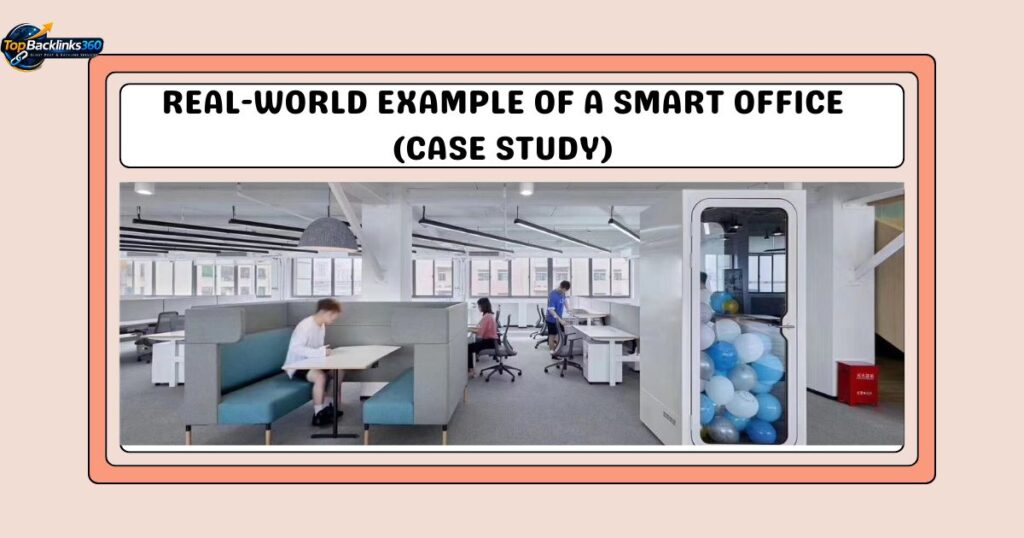
Imagine a growing tech company in Cyprus:
Office Transformation
- Introduces hybrid workspaces
- Installs smart sensors
- Uses solar panels
- Creates wellness areas
Results
- 30% reduction in energy costs
- Higher employee satisfaction
- Improved collaboration
This shows how combining technology and design delivers real results.
Future Trends in Office Design (2026 & Beyond)
The future of office design is evolving rapidly.
Emerging Trends
- AI-powered workplace management
- Fully remote-integrated offices
- Biophilic design expansion
- Smart buildings with automation
What to Expect
Offices will become more personalized, data-driven, and employee-focused.
FAQs
Which business is most profitable in Cyprus?
Tourism, real estate, fintech, and IT services are among the most profitable sectors due to strong international demand.
What are the biggest companies in Cyprus?
Major companies include Bank of Cyprus, Hellenic Bank, and large shipping and forex firms operating globally.
Which city in Cyprus is best for work?
Limassol is the top choice for jobs, especially in tech, finance, and shipping, followed by Nicosia.
What companies are based in Cyprus?
Cyprus hosts companies in fintech, shipping, IT, real estate, and international business services.
What to be careful of in Cyprus?
Be mindful of legal regulations, tax compliance, and rising living costs in major cities like Limassol.
Conclusion
Future-ready offices in Cyprus are redefining the modern workplace. By combining smart technology, flexible design, sustainability, and employee well-being, businesses can create environments that support long-term growth.
As the workplace continues to evolve, companies that invest in future-ready office strategies will stay ahead of the competition, attract top talent, and operate more efficiently.